Too often in life we are content with just the first layer of understanding. Sure, the 30,000 foot view can provide a big picture explanation—Apple is successful because it sells a lot of iPhones. But as we dig deeper, we develop a greater grasp on the mechanics that drive success and failure, allowing us to better perform in the future.
Let’s apply that thinking to Warner Bros., which became the first studio in 2025 to top $4 billion in ticket sales and the first studio ever to deliver seven consecutive films that opened to at least $40 million. When deconstructing the studio’s slate, observable commonalities among its hits and misses emerge for pre-release audience sentiment, marketing timing and efficiency, and overall urgency. Cracking the code on these patterns can help dictate successful strategies moving forward for those willing to go beyond the first layer of understanding.
Anatomy of the Hits
IP-Driven Tentpoles (A Minecraft Movie, Superman)
Original and new-to-screen concepts do play a vital role in the theatrical landscape, and we’ll explore these in a moment. But intellectual property still serves as the box office equivalent of a haymaker from the Man of Steel delivering consistent heavyweight knock out results. Such was the case for A Minecraft Movie ($424 million domestic) and Superman ($354 million), which unsurprisingly over-indexed with younger and older audiences, respectively.
Both titles benefitted from the cultural ubiquity of the source material as Awareness landed in the 70%-80% range by release week. That’s big. But, as we’ve previously covered, raw awareness is an increasingly outdated metric of success.

What’s particularly telling is that Theatrical Intent among audiences aware of the films maintained solid holds in the final three pre-release weeks (landing at 44% for Minecraft and 58% for Superman). This speaks to the rate of those who are aware of the film and want to see it in theaters, indicating the audience base for each movie and the enthusiasm behind general awareness or interest. Said in more human terms: this was a clear signal that new awareness was being converted into action, especially among male moviegoers under 35 (Minecraft) and over 35 (Superman). Core target demos were being activated.
This led directly into solid Opening Weekend Intent scores among aware audiences in the week of release, underscoring the sense of eventized urgency felt by already engaged audiences. You can consider this cohort the early adopters that must be activated in order to hit your opening weekend floor. Thus, a $163 million debut for A Minecraft Movie and $125 million for Superman. Following these breadcrumbs showed clear signs of real-time marketing adjustments and rising upside.
Efficient Originals (Sinners, Weapons)
Ryan Coogler and Zach Cregger are among the most exciting young directors in Hollywood. Though original concepts are much harder sells these days, both brought something new to audiences within the horror genre, Hollywood’s most bankable ROI generator. Mid-to-late breaking audience engagement was key to success in both instances.
As new concepts, both Sinners (48% in release week) and Weapons (46%) struggled with a lower ceiling of general Awareness. But thanks to a mix of cultural resonance and rave reviews, both saw their Theatrical Intent (53%, 62%) and Opening Weekend Intent (16%, 23%) among aware audiences hit solid marks by release week. Michael B. Jordan’s healthy 44% Will See in Theaters score from audiences certainly didn’t hurt Sinners, while the sheer WTF-ness of Weapons’ curiosity campaign stirred up interest. This is consistent with effective horror campaigns activating and converting audiences closer to debut even amid tepid awareness.

As trailers shifted from tonal selling points to plot mechanics across the final four weeks of marketing, Unaware Interest for both began to drop. That’s a good sign reflecting the recruitment of untapped potential ticket buyers that are persuadable to act. Specifically, women under 35 boasted the best scores for both films in release week.
This precise pivot led to a $48 million opening for Sinners en route to nearly $279 million domestic (5.8x multiplier) and a $44 million debut for Weapons en route to nearly $152 million domestic (3.4x). Both showed off better-than-average legs for the horror genre after drumming up opening weekend urgency.
Campaign Momentum Pattern
Other box office victories for WB this year included Final Destination: Bloodlines, F1: The Movie, and The Conjuring: Last Rites. Generally speaking, Interest, Theatrical Intent, and Opening Weekend Intent among those aware all rose together for WB’s successes. This exemplified both strong conversion among core audience demographics, which often huddled among male moviegoers over/under 35, and the development of secondary quadrants such as female moviegoers for horror films.

The goal, on top of pushing Unaware Interest down, is to eat into Dormant Awareness. The latter represents wasted marketing dollars on moviegoers already expressing high intent or unchanging disinterest. Later campaign efforts should be focused more on persuadables versus the viewers you’ve either already locked in or stand no chance of collecting. WB’s profitable 2025 releases became defined by successfully targeted phased campaigns that built week over week and secured high conversion of awareness and interest into intent.
Autopsy of the Misses
Despite WB’s glowing success, no studio bats .1000. Companion, Mickey 17, The Alto Knights and One Battle After Another did not produce the robust results some may have been hoping for.
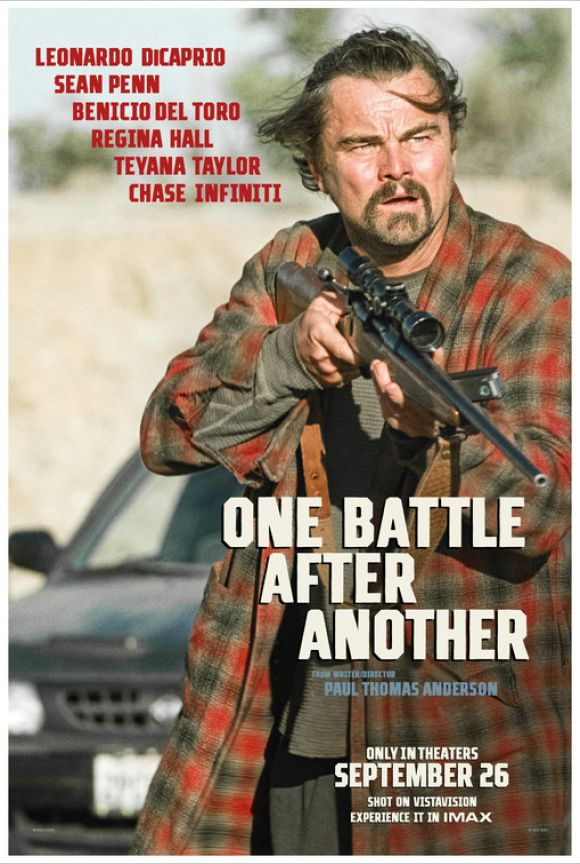
Both Mickey 17 and One Battle After Another were auteur-driven star-led new-to-screen concepts that fell prey to performance pitfalls. Hollywood should absolutely keep betting on these types of movies, especially when they’re as good as One Battle. Yet both titles saw raw Awareness growth outstrip other key metrics, a worrying trend across the spectrum. It’s like when an NFL team keeps miraculously winning games despite a negative point differential. The underlying metrics all but guarantee the other shoe will eventually drop. (When it comes to Intent Conversion, you want a 1:1 correlation. The below highlights the gaps on either side).

Theatrical Interest among those aware either plateaued or failed to build in the first place, while Opening Weekend Intent among those aware didn’t grow as strongly as other films with mid nine-figure budgets. This helps explain the wide gap between general theatrical intent and willingness to pay a fee; casual audiences viewed the movies more as at-home options. Both wound up struggling with high Unaware Interest as it proved difficult to capture the attention of audiences that showed potential. Mickey 17 dealt with higher than normal Dormant Awareness, which is common among more esoteric sci-fi features. Strong talent, prestige credentials and even quality aren’t always enough to convert awareness into action in a vacuum.
Looking Ahead
Warner Bros. didn’t win 2025 simply by reaching the most people. It won by effectively convincing the majority of people it did reach to buy a ticket. As we wait for the studio to resume distribution in 2026—and May’s Mortal Kombat II is already tracking strongly—we can safely say that Hollywood’s strongest indicator of success isn’t just broad reach. The connection between Theatrical Intent and Opening Weekend Intent among those aware is perhaps the most telling bellwether for performance. Boosting those numbers requires the conversion of Unaware Interest into Theatrical Intent. Awareness growth that isn’t accompanied by increases in other enthusiasm metrics is an early warning sign to switch tactics.
These are today’s recipes for efficient campaigns that generate box office success. They’re sitting at the fingertips of any studios willing to go deeper than the first layer of outdated tracking metrics.
 © 2024 The Quorum, LLC, All Rights Reserved.